
Styles may look a little different from year to year, but these diverse ads from the archives of Western Horseman prove that jeans, boots and a good pearl snap are timeless.
Break out the brushpoppers, Western style has come full circle, and it’s time to dress for the ’90s! During this decade, magazines were thriving. The internet had yet to compete for readers’ attention, subscription numbers remained strong, and advertisers viewed print publications as one of the most effective ways to reach a targeted audience.
The pages of Western Horseman reflected the era as a leading publication of Western lifestyle long before the term became fashionable. In this third installment of From Trendy to Timeless, we revisit some of the best and humorous advertisements of the time, while focusing on the stories behind the materials.
Absorbine

This 1993 ad perfectly captures the look and marketing style of the decade. The ad features horseman and clinician John Lyons sporting a bold Western shirt, standing next to his 18-year-old Appaloosa, “Bright Zip.” These brightly colored, high-contrast shirts were a defining fashion trend of the 1990s Western industry.
Often called “America’s Most Trusted Horseman,” Lyons helped popularize a gentler, more methodical approach to horse training through his clinics, books and television appearances, making him one of the most recognizable figures in the horse industry during the 1990s. A popular advertising technique of the era, this full-page promotion emphasizes practical benefits with arrows pointing to the horse’s coat, tail and hindquarters.
WRANGLER

Hold on to your hats, Wrangler has entered the 1990s discussion. The Sandstorm Cowboy Cut Jean promised cowboys the fit they trusted with the comfort of a pair already broken in, saving weeks of wear and countless rides in the saddle. Before stretch denim and performance fabrics became the norm, Wrangler was already looking for ways to make blue jeans a little more comfortable.
The humorous center photograph, combined with the mirrored layout, reflected the playful marketing style that became increasingly common during the 1990s. In an effort to stand out from mainstream advertising, brands in industries like fashion embraced shock value. They relied on bold and provocative visuals to capture the audience’s attention.
SCHOTT NYC

Unlike many advertisers focused on ranch utility, Schott positioned its leather jackets as premium fashion. The ad reflects a growing trend in the 1990s, when upscale brands began courting Western Horseman readers. The centerpiece is a heavily fringed suede leather jacket, a style inspired by the buckskin coats worn by frontiersmen and popularized in Western films and television. Paired with stonewashed jeans, a turtleneck and a silverbelly cowboy hat, the styling emphasizes the image and sentiment behind the clothing, reinforcing the ad’s claim that the jacket is more than apparel — it is “an American legend.”
The brand, Schott NYC, was founded in 1913 by brothers Irving and Jack Schott in New York City, New York. The company became famous for producing durable leather outerwear and is credited with creating the first zippered motorcycle jacket. While Schott is best known for its motorcycle and military-inspired jackets, the company also produced Western-inspired leather coats and fringe jackets that appealed to the growing Western lifestyle market of the late 1980s and early 1990s.
CIRCLE S AND RODE WALKER
Fashion-wise, this ad is pure early-’90s Western. The man is wearing a dark felt hat, fitted jeans, a large silver buckle and a solid emerald-green button-down shirt tucked neatly into high-waisted denim. The woman wears stonewashed jeans with a tucked-in Western shirt. In the upper left, a man is fitted in a stylish sports coat, paired with a button-down, jeans and a cowboy hat — ready for a night out on the town or a meeting in the city.
Rather than depicting cowboys exclusively on horseback or at work, it presents Western wear as an everyday lifestyle. The headline, “Uptown, downtown or broke down…” suggests that Western clothing belonged everywhere — from the city to the ranch to the roadside. Circle S jackets remain popular today and are often sold through large retail stores such as Boot Barn and Cavender’s.

MO BETTA SHIRTS

“The Hottest Shirt in Country Music.” That was the message in this 1994 advertisement for “Mo” Betta Shirts. Founded by professional calf roper Maury Tate, the brand became a staple of Western fashion in the 1990s, known for its eye-catching colors and distinctive designs. Tired of seeing cowboys wearing the same styles, Tate created bold, eye-catching designs for himself that quickly caught on with fellow contestants.
Worn by rodeo competitors and country music entertainers such as Garth Brooks, Tate helped define an era of bold Western style. Tate remains deeply involved in the Western industry through his Oklahoma-based Mo Betta Rodeo Company, which has hauled some of rodeo’s top bucking horses, including Virgil, a stallion Tate purchased in 2010 and named in honor of his late father, Virgil “Bub” Tate. His ties to the sport also include the iconic Cody Nite Rodeo. More than 30 years after this advertisement appeared, the “Mo” Betta brand remains active, recently highlighting country music star Zach Top performing in one of its iconic Western shirts.
PANHANDLE SLIM
This 1993 Panhandle Slim advertisement, which appeared in Western Horseman, is a perfect snapshot of cowboy fashion in the early 1990s. The headline, “CALVIN WHO?”, takes a playful jab at the popularity of designer brands, such as Calvin Klein, whose advertising campaigns dominated mainstream fashion at the time. The cowboys pose in classic blue jeans, brightly colored Western shirts, belt buckles and black felt hats, showcasing a classic Western style. Founded in 1946, Panhandle Slim built its reputation on creating apparel that blended ranch practicality with contemporary fashion and is widely credited with helping popularize the pearl-snap Western shirt.

TEX TAN

Many readers likely have a Hereford saddle tucked away in a tack room or horse trailer thanks to advertisements like this one that appeared in the April 1993 issue of Western Horseman. The Hereford line traces its roots to Yoakum, Texas, where Tex Tan expanded from leather tanning into finished leather goods and saddle production during the Great Depression. Over the decades, Hereford became one of the company’s best-known saddle brands, earning a reputation for producing practical, affordable saddles for everyday horsemen. This advertisement highlights the strength of the Tex Tan name, with the company logo dominating the page while the Amarillo Hereford saddle takes center stage below.
More than 30 years later, the legacy of both brands continues. In 2025, Welhausen Legacy LLC, part of Kaspar Companies, acquired the Tex Tan, Hereford and Imperial brands from Old West Brands, adding them to an equestrian portfolio that includes Circle Y Saddles, Tucker Trail Saddles and Reinsman Equestrian.
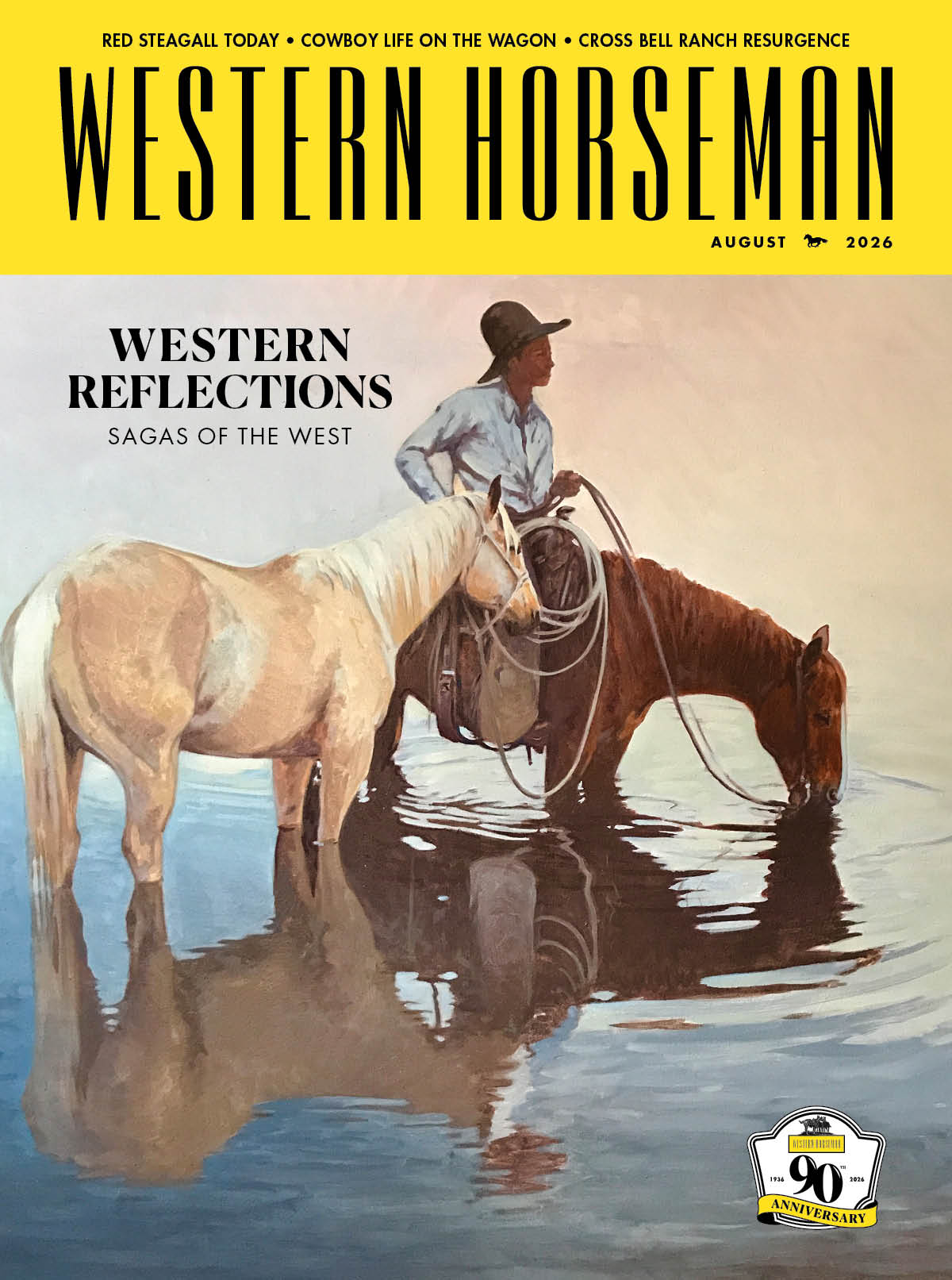
This article was originally published in the August 2026 issue of Western Horseman.
Also, be sure to check out From Trendy to Timeless: Part 1 and Part 2.